3 Myths of Sankalpa
 BY Arora Indu2 min read • December 8, 2025
Sankalpa is the traditional yogic resolve to evolve. It is often connected with Yoga Nidra practices.
Often taken lightly as an intention, paraphrased as an affirmation, changed frequently as a fleeting desire, Sankalpa is a sacred vow towards personal and societal betterment.
Here are the top three myths
Myth No. 1: Sankalpa is an affirmation
Sankalpa is neither an affirmation, nor an intention. A bit longer version is: Sankalpa is a sacred vow to evolve. It is not an ordinary, everyday, casual affirmation for peace-love-light or eat-pray-love.
Myth No. 2: Sankalpa is magic wand
Sankalpa is not a “make my wish come true”, but “may my wish BE truth”. Sankalpa is not about around greed, wants, and desires or immediate gratification. Yoga is rooted in contentment (santosha is a niyama) where the personal betterment leads to uplifting of the community, and upholding of dharma (virtue, righteousness, goodness).
Myth No. 3: I don’t know how to create Sankalpa
We do not need to create Sankalpa. Phrases like “Aham Brahmasmi,” “Tat Twam Asi,” and “So'ham” are essentially sankalpa. We do not need to crack a sankalpa code or design one. We simply need to pick one.
In a nutshell: Saṅkalpa (सङ्कल्प) is a focused, heartfelt intention or resolve, a deliberate inner decision to align thought and action with one’s deeper truth. The noun saṅkalpa is formed from the verbal root √kḷp / √kalp (“to be fit, to be arranged, to be determined”) with the prefix saṃ- (“together, completely”), giving the sense of a complete, well-formed resolve. In another usage, kalpa (कल्प) also names an immense unit of cosmic time in Hindu cosmology—one “day of Brahmā,” traditionally described as 4.32 billion years, during which a universe is created, sustained, and eventually dissolved before the next cycle begins.
STUDY
Discover How to Craft Sankalpa in the upcoming Yoga Nidra Training, starting Feb 5
IN EVERDAY LIFE
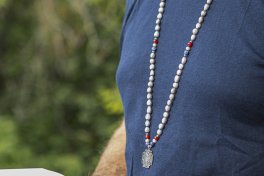
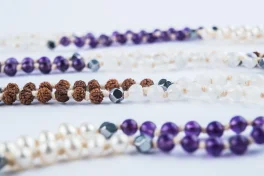
I designed a Sankalpa Wrap and Mala combining Yogic and Ayurvedic wisdom to invoke the sentiment of sankalpa in everday life, as an homage to to invoke to the fearless and fear-free Maha Kali.
to get more on Yoga and Ayurveda here
Say hello on Instagram
Subscribe to my Youtube Channel.