9 Types of Sleep in Yoga Explained
 BY Indu Aroa5 min read • July 31, 2026
Learning the different types of sleep in yoga is a good step in recovering sleep. In fact, subscribe to the 3 "Ps" of Sleep: Prepare (for), Prioritize, and Prescribe Sleep. We are already behind!
My teacher used to say, "When the meaning of the word changes with time, know that you are growing."
This also applies to sleep! I encourage you to explore the deeper layers instead of settling for what you already know. After all, our sleep is precious! Recent studies show even one night of poor sleep disrupts emotions, spikes inflammation, weakens immunity, and clouds thinking, while chronic sleep loss drives up risks for heart disease, diabetes, and mood issues.
Learning the different types of sleep in yoga is a good step in recovering sleep. In fact, subscribe to the 3 "Ps" of Sleep: Prepare (for), Prioritize, and Prescribe Sleep. We are already behind!
1. Nidra
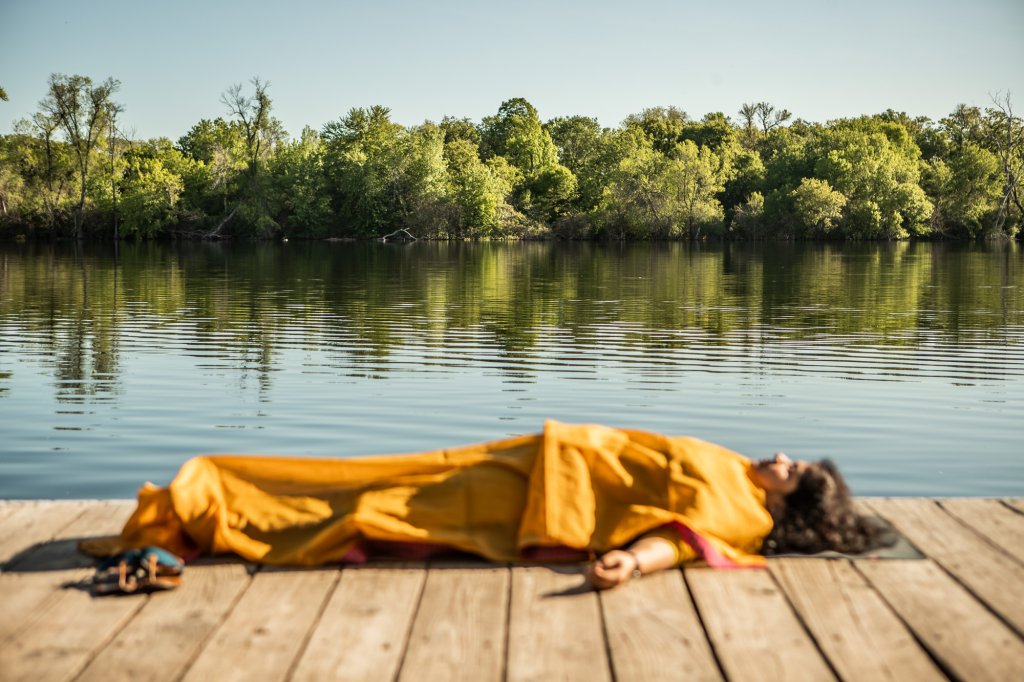
Nidra is the regular, every night sleep. It is one of the three pillars of health, as per Ayurvedic texts, that maintains the circadian rhythm through sleep-wake cycles.
Fact: Guided relaxation does not replace sleep! Only sleep can replace sleep. Relaxation practices may be helpful in easing some of the symptoms of sleep-deprivation by acting as a rest portal or sleep aid, but it is not a replacement for sleep.
2. Tamas
Tamas is the sleep of inertia, sloth, drowsiness which one experiences as a result of staying up late at night, consuming heavy-to-digest meals, overexertion of mind, or even sickness or injury. It is a sign of dosha and guna aggravation.
Fact: When we immediately fall asleep or pass out while listening to a guided relaxation, it is not Shavasana or Yoga Nidra. It is tamas. It is just a sign that the body/mind is rest deprived or there is dosha-guna aggravation.
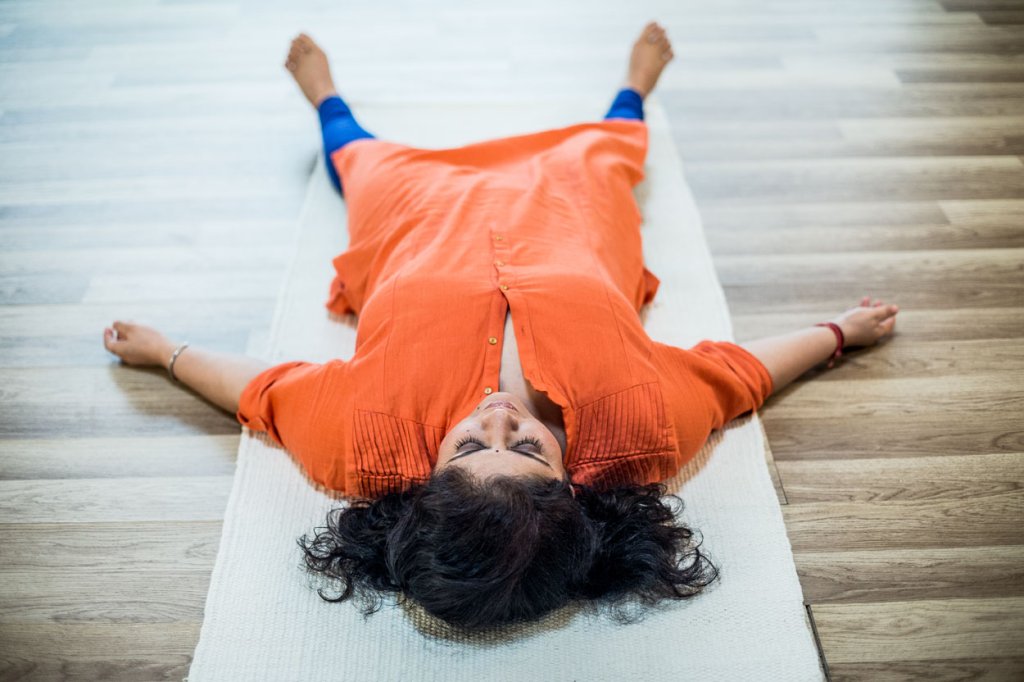
3. Shavasana
Shavasana is the yogic preparation for death—a kind of death rehearsal. It is also a kind of sleep since our body, mind, and emotions are asleep to ordinary stimuli that come from the outside or within. It is the process of redirection or a "u-turn" towards the real Self. However, it is neither the everyday sleep, nor a magic wand for the replacement of it.
Fact: Shavasana is not just the name of a pose or a 2-minute shut-eye at the end of an asana class. It is a complete sensory withdrawal, known as pratyahara in Yoga Sutras.
4. Tandra
Tandra is an in-between state of yogic drowsiness, a liminal awareness between wakefulness and sleep where the mind relaxes deeply yet remains conscious. It can happen before one enters into shavasana, meditation, and Yoga Nidra.
Fact: Tandra is not the same as tamas or Nidra, in fact it is a beneficial meditative gateway, not a binding tamasic obstruction.
5. Avidya
Avidya means [sleep of] ignorance. Lack of knowledge is also a kind of sleep. True knowledge is the awareness, realization, and embodiment of the state of consciousness. Everything else which is mutable, transient, and non-Self is avidya in yoga.
Fact: We cannot wake up someone who is pretending to stay asleep. We can keep calling guided relaxation, shavasana, non sleep deep rest, sleep yoga, hypnotic state, liminal state, guided imagery, etc, as Yoga Nidra, but the loss is completely ours. Yoga Nidra is none of the above and is way more than the sum of the above.
6. Mauna
Mauna from "mana/mind" is a state and practice of voluntary, sacred silence. Known as a conscious sacred vow to abstain from speech and/or any form of nonverbal communication (gestures, writing, facial expressions, etc.), it is undertaken as a yogic practice to cleanse, strengthen, and calm the mind. It is a natural ojas booster.
Fact: It is a state practitioners effortlessly go into after meditation, shavasana, or yoga nidra. It is one of the best kept secrets of Yoga. With all the daunting multisensory stimulus, it is not a surprise that silent retreats have recently become a thing.
7. Mrityu
Mrityu means death. It is a long sleep between two lifetimes. Just like the day, month, season, year comes to an end, so does a human lifetime. It is natural and cyclic.
Fact: The application or yogic practices and principles for emptying the baggage of karma (impressions of, attachment to actions), vikalpa (negative thought constructs), and vasana (deep-seated, subconscious desires, lusts and greed) are the preparations of true freedom.
8. Dhyana
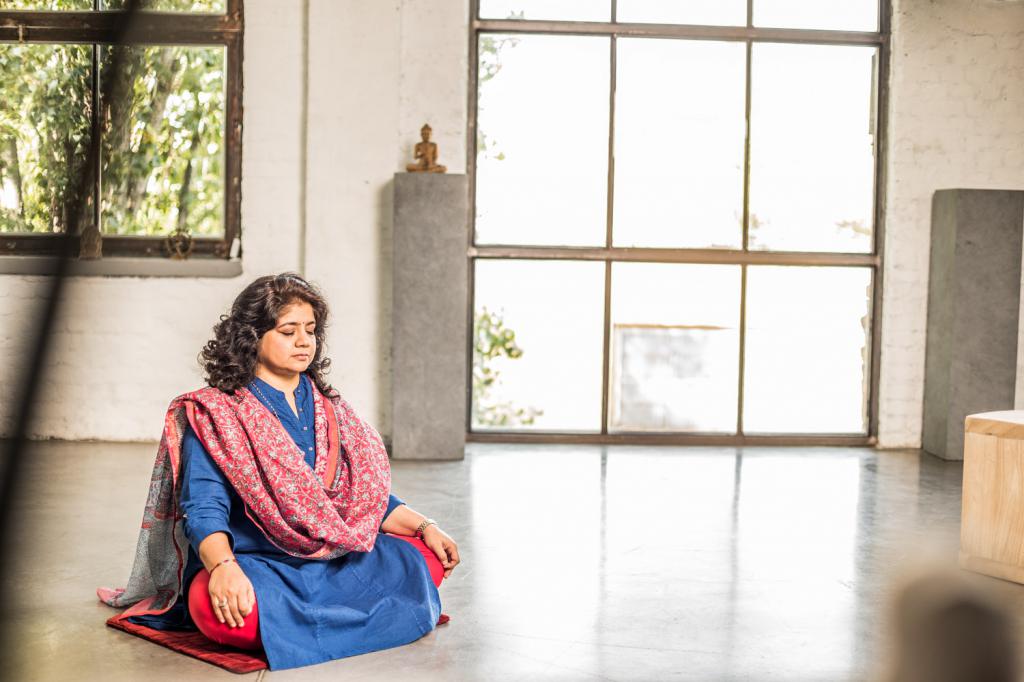
Dhyana is a meditative state. It is a glimpse of the state of dissolution or mind-free-ness. It is a kind of temporary absorption that one experiences as a result of extended, effortless concentration.
Fact: At times, the meditation practitioners experience a state of body-less/free-ness and time-less-ness during the meditative states. They become absent/asleep to worldly conundrum and even to the idea of where and for how long they were in a meditative state. This state is temporary and most often nonvoluntary.
9. Yoga Nidra
Yoga Nidra is a state of deep dreamless sleep with complete awareness. It is the transformation of passive samadhi, aka sleep, into active samadhi. It is the missing/hidden link between meditation and samadhi.
Fact: We often miss the prefix “Yoga” in Yoga Nidra, leaving it vulnerable to be confused as just nidra, guided relaxation, shavasana, and sometimes even meditation.
Often done as a practice, it is talked about as a state (of consciousness) in many ancient Vedic, Upanishadic, Puranic, and Tantrika texts.
Want to explore more?
Join my 3-class series for hand-picked, easy-to-apply, traditional rituals, Yoga practices from oral tradition, and Ayurveda recipes: reliable information for better sleep and true rejuvenation. Save your spot here!
to get more on Yoga and Ayurveda here
Say hello on Instagram
Subscribe to my Youtube Channel.