Why Do We Use Mudra in Pranayama Practices?
 BY Indu Arora4 min read • May 19, 2026
I always like to say that Yoga starts with “Y” - WHY? That’s right, Yoga starts in the deep end with a philosophical inquiry. Why? Who am I? What is all this? It’s all very existential.
And there is nothing in Yoga that isn’t subtle. If we aren’t understanding that sooner or later, we are missing the point (figuratively and quite literally, as you’ll read) and the purpose of all of the tools that are available to us through Yoga.
We don’t talk about this translation too much, but the word Yoga also means “means” or “tools.” Whether it is mantra, mudra, asana, pranayama, states of yoga nidra, or shavasana, their purpose is yoga—to attain that state of oneness and noneness.
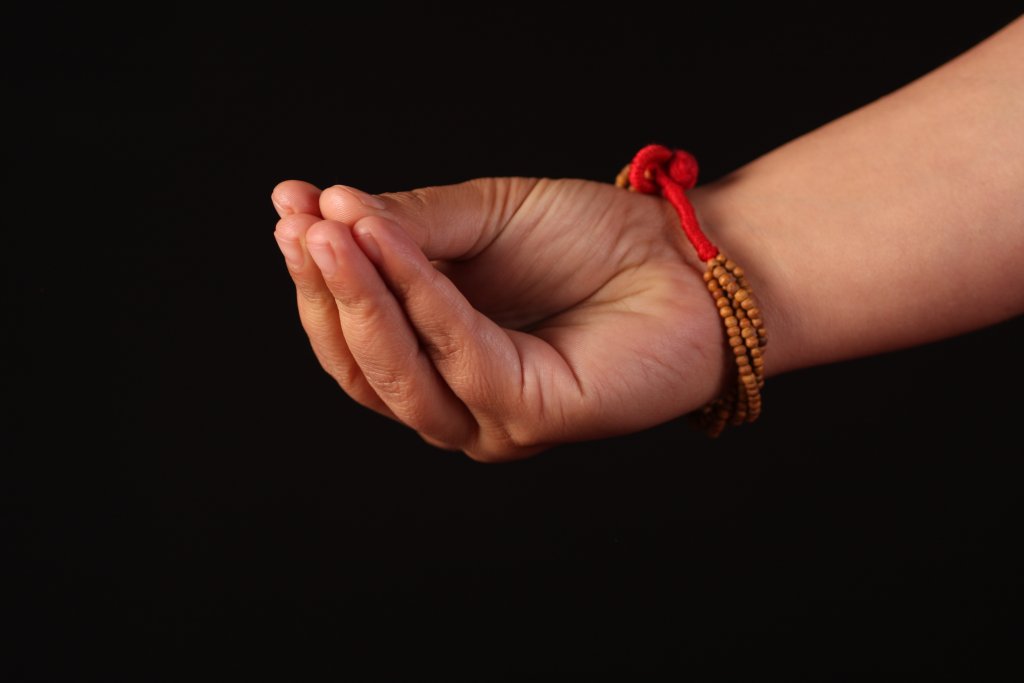
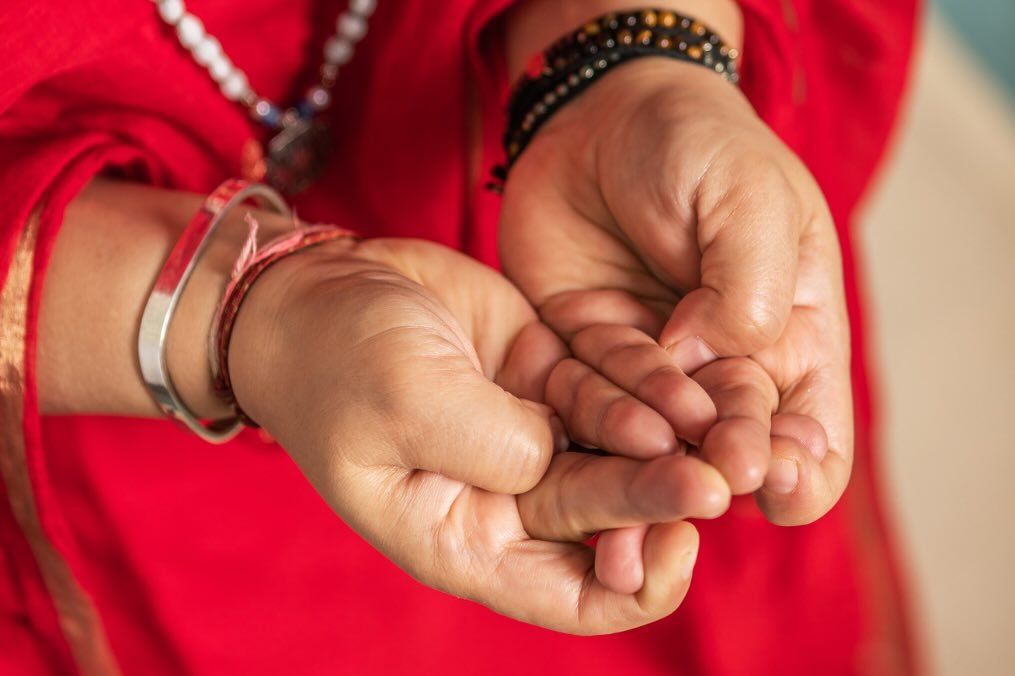
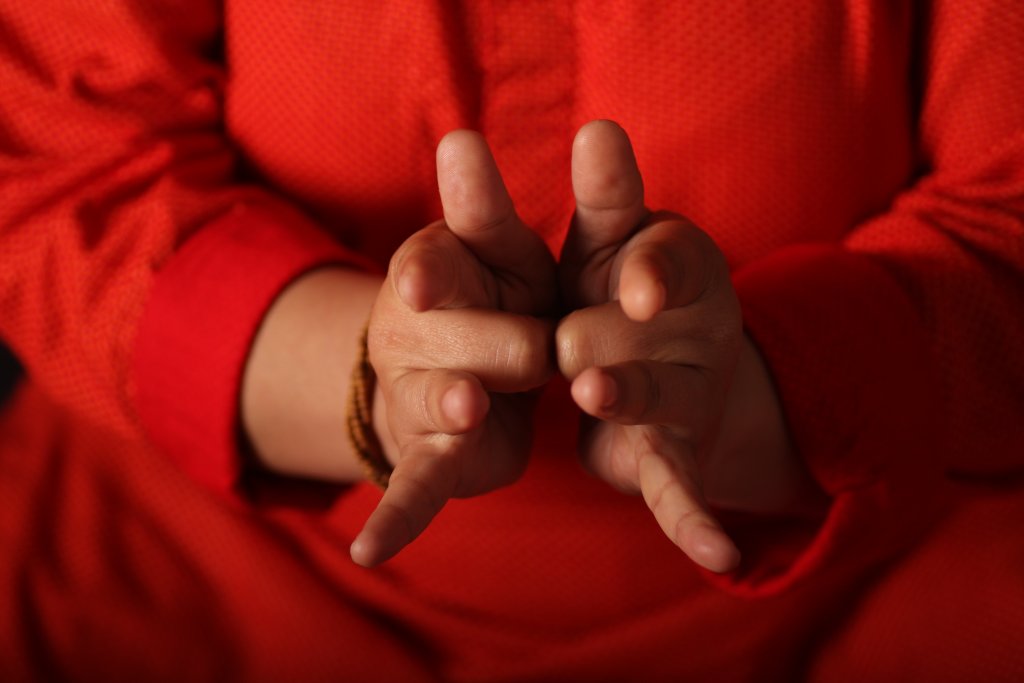
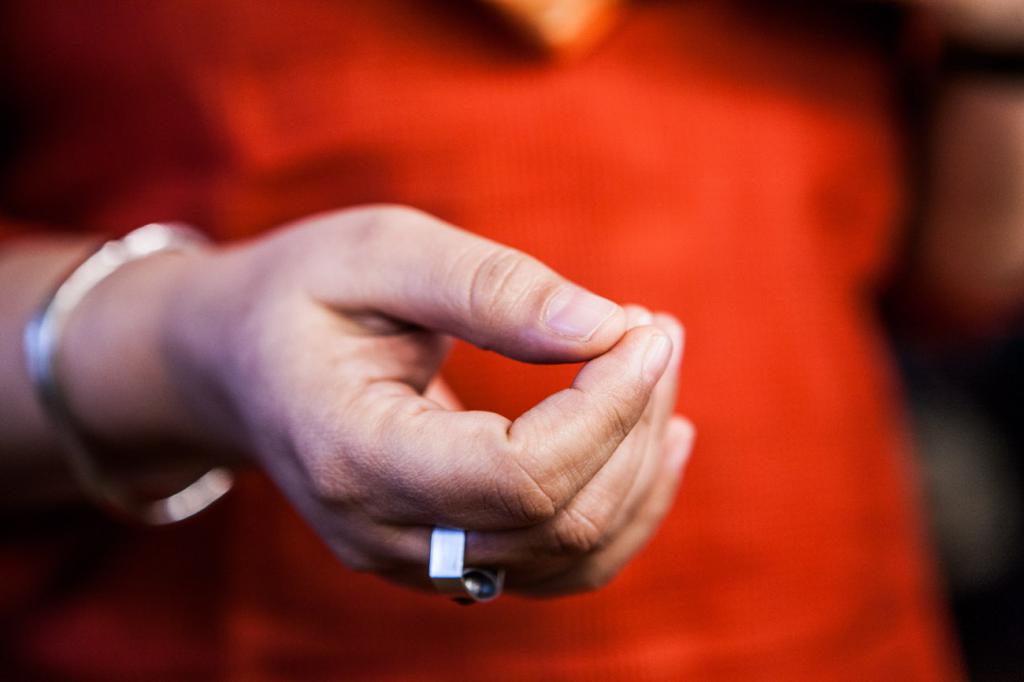
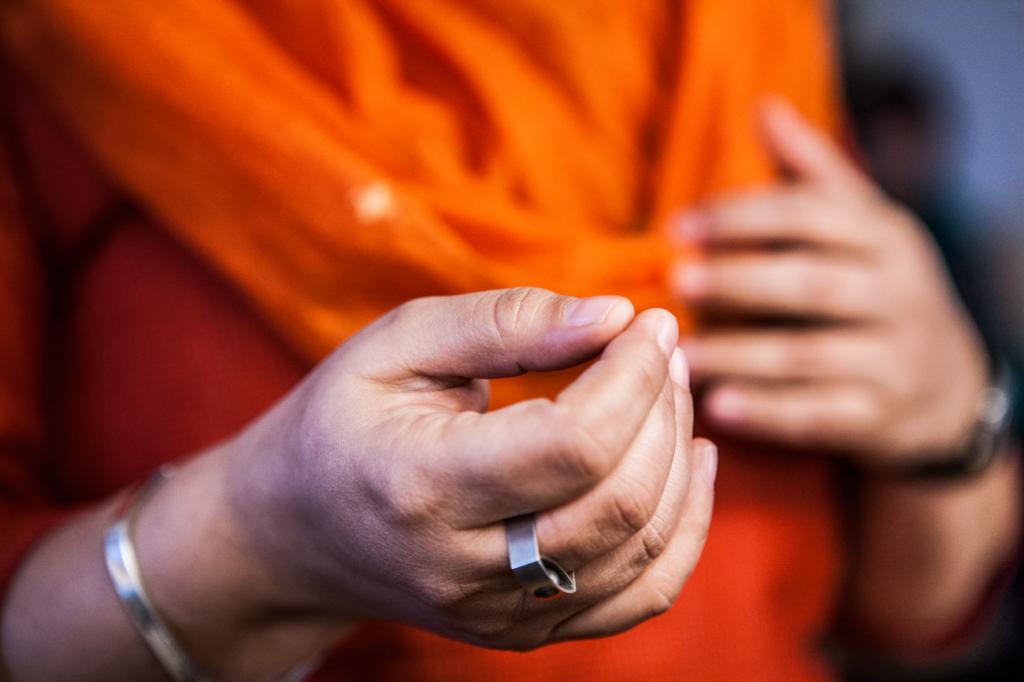
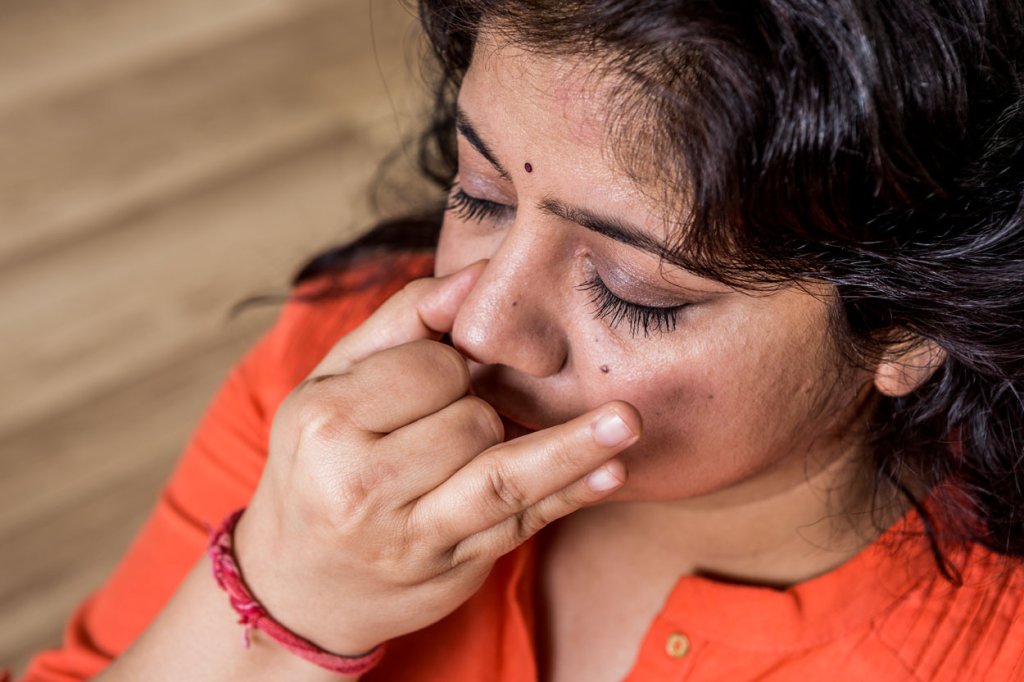
It’s too easy to take the tools and practices we learn for granted—learn, practice, repeat—without stopping to ask ourselves about them. For example, let’s take some common pranayama practices—like Alternate Nostril Breathing and Anuloma Viloma. Maybe you learned them in your morning yoga class, maybe you refined them in your 200-hour yoga teacher training. Generally, in these practices we hold our hands in a hasta mudra, or hand gesture, and then we bring it to the nasal region.
Have you ever asked why we do this? In order to fully embody the practices and tools, we must also have an understanding of why we’re practicing them.
Getting to the Point: The Purpose of Mudra in Pranayama
Generally in pranayama practices, we hold our hands in a hasta mudra or a hand gesture, and then we bring it to the nasal region.
There are at least four burning questions that should come to mind when we’re learning this practice.
- Why do the fingers have to be kept at this specific region?
- Is there a specific region?
- And if there is a specific region, what is happening in this bridge, at this interface, at this intersecting point?
- What are we trying to access here?
Let’s start with the word pranayama itself, and zero in on prana, which is the content of the subtle body. In pranayama practices, we are working with the flow of prana in the subtle body. Here, another question that may arise:
- Where does the prana flow?
Just like in the physical body, energy flows in the capillaries and vessels and between the organs and organ systems and cells.
In the subtle body, the prana flows in rivers of energy called nadis. Now, where the nadi ends and meets the physical body, that is called a marma point—a powerful point of connection between the subtle and the physical.
Some texts say that each of us have as many as three and a half million nadis! However, there are a few important ones to know when we practice pranayama: We have a susumna nadi (central channel along our spine) and two main nadis that run on either side of sushumna—idã (lunar) and pingala (solar) that support our balance, energy, and well-being.
Now, back to pranayama. The two nadis, idã and pingala, end at the very point that we are pressing with the mudra in alternate nostril breathing. So we can already see that with these practices, which include the mudras, we are regulating very important junctions in our subtle body. In this case, we are balancing the nervous system, purifying the subtle channels, and improving focus.
There’s so much more to explore!
If you’d like to dive into where the physical meets the subtle, I invite you to join Mudras in Yoga Training online course. It starts Septemrber 26. Learn more here.
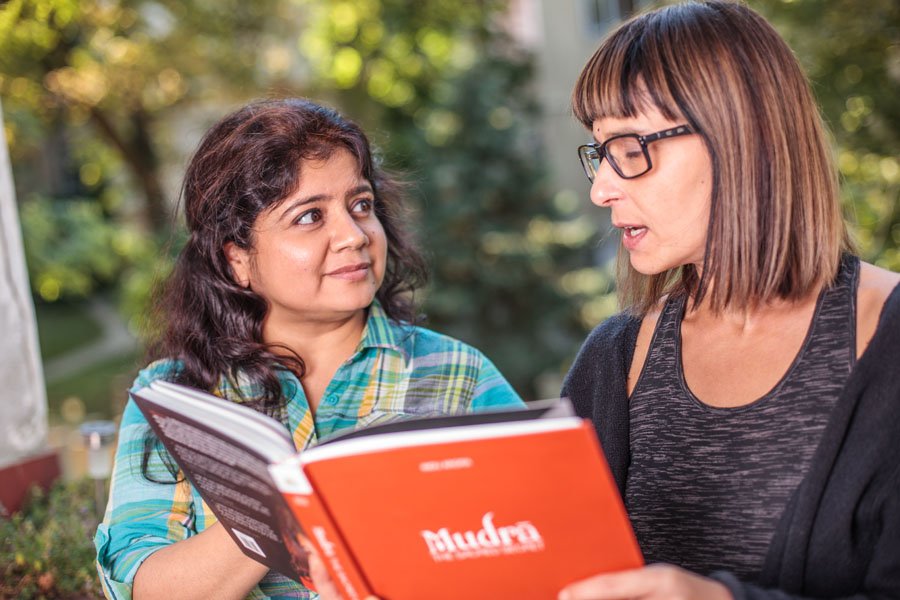
Plus, read Mudra: The Sacred Secret to explore the power of this deep and necessary practice.
to get more on Yoga and Ayurveda here
Say hello on Instagram
Subscribe to my Youtube Channel.